

As the iGaming industry becomes increasingly regulated, a detailed iGaming licence guide is a must-have for both operators and suppliers. Here at St8, we have you covered. Read on to learn about the importance of licences, the difference between local and global licences, and how ibline gaming licensing is evolving.
Licences are now an essential part of iGaming. It wasn’t always this way. Fifteen years ago, it was fairly common for both operators and suppliers to offer online casino and sportsbook products to customers without a licence. Today, this is at best frowned upon and at worst illegal.
So, what changed? Over the past decade or so, jurisdictions around the world have introduced new regulatory frameworks for gambling. These are generally sets of rules designed to protect players and ensure that brands and products are fair.
Operators and suppliers must apply to a local regulator for a licence. They are then appraised across a wide range of relevant factors, including responsible gaming, anti-money laundering protocols, fair and transparent practices, robust technology, and more. Only if the applicant meets the requirements are they granted a licence to operate in that market.
So, if you have ambitions to grow your brand internationally, you will likely need to acquire several of these licences from different regulators around the world, each with slightly different requirements.
Online gaming licences are a fairly new phenomenon. The first country to create a dedicated licence for iGaming was the small Caribbean nation of Antigua and Barbuda, which passed the Free Trade & Processing Act in 1994. This act gave it the authority to issue the world’s first iGaming licences to operators. Others soon followed, including Curacao, which started its own online gaming licensing regime back in 1996. The island nation remains a hub of iGaming licences to this day; in 2024, more than 1,000 companies applied for one.However, these global licences were first challenged in the early 2010s, when major European jurisdictions, including Denmark, the UK and Italy began licensing iGaming locally, demanding that holders follow local laws and pay taxes in the country where their players are based. Today, 23 countries in Europe have introduced dedicated licences for iGaming. Many other parts of the world, notably Latin America and North America, have begun to follow a similar model.
There are dozens of different licences operators and suppliers can apply for. They broadly fall into two different categories: local and global.
Perhaps the best example of a global licence is the one issued by the Malta Gaming Authority (MGA). For many years, most European countries did not implement their own iGaming licensing frameworks. So the MGA licence became a proxy to operate a brand across multiple European markets.
However, this has changed in recent years. Today, more European countries issue licences locally, and several expressly state that they do not acknowledge the MGA licence. For years, there have been ongoing legal battles around the validity of the MGA licence in other European countries, and this is likely to continue.
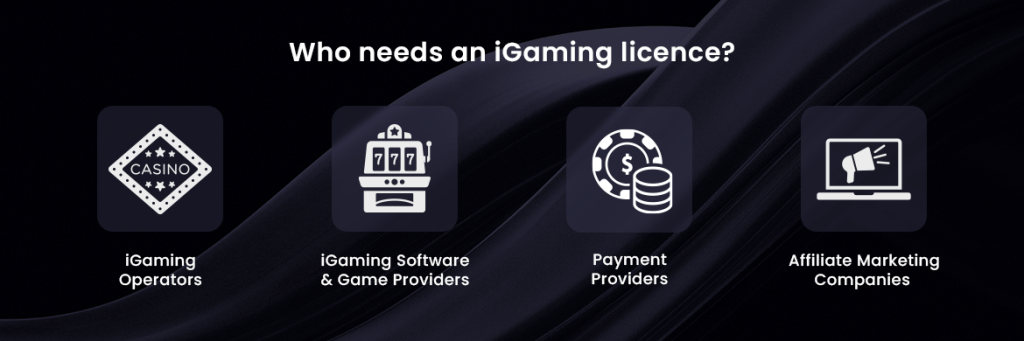
When we talk about a gambling or iGaming licence, we’re often not referring to one single thing. There are, in fact, multiple different types of licence available, depending on the activity of the company.
The first iGaming licences focused on operators. They were granted toonline casino and sportsbook brands looking to offer their product directly to players. The idea behind these licences was, first, to protect players and ensure that casinos and sportsbooks were fair. Secondly, they were designed to ensure these operators paid tax to local authorities on their earnings.In recent years, a second type of licence has become more popular. These are licenses given to the technology providers of brands. The licences cover products such as game aggregators, online slots titles, and more. These licences serve a similar purpose and also act as a seal of approval, so operators know which suppliers can be trusted in certain markets.
There are dozens of different licences available for operators and suppliers today. Here are five that are particularly in demand at the moment, and with consideration for your iGaming business in 2026.

The United Kingdom Gambling Commission (UKGC) is often seen as the gold standard of iGaming licences. It offers a range of different licences for both operators and suppliers. Since 2014, if you want to offer a brand or technology product related to iGaming in the United Kingdom, you must hold a UKGC licence, or you will be breaking the law. The licence gives access to one of the largest iGaming markets in the world, but you must follow strict rules and protocols to qualify.

Anjouan, a small island in the Indian Ocean, is a newer addition to the iGaming licensing space. Its licence doesn’t directly open large, regulated markets. However, it is considered an option for those looking to target pre-regulated markets, particularly in Asia. Anjouan has emerged as a competitor to Curaçao, which had long been the home for internationally-facing licensing. Anjouan’s official gaming authority, Anjouan Licensing Services, is becoming an increasingly popular option.

The Malta Gaming Authority (MGA) regulates both online and land-based gambling in Malta. It is widely respected, but perhaps doesn’t carry the weight it did a few years ago. Both B2B and B2C licence options are available, including the Gaming Service Licence and the Critical Gaming Supply Licence. As more European markets regulate locally, the glory days of the MGA may be over, even if an approval still sends a signal of credibility.

The Romanian market is regulated by the Oficiul Naţional pentru Jocuri de Noroc (ONJN) and operates under a licence classification scheme. These include Class 1 (operators) and Class 2 (suppliers/technology) options. However, Romania’s licences come with a relatively high tax burden and minimum fees. Keep a close eye on new rules as the market is evolving. One recent requirement for online operators is to establish a permanent base in the country for tax purposes.

The province of Ontario has established a relatively new iGaming market led by the Alcohol and Gaming Commission of Ontario (AGCO). Operators wishing to access the Ontario market must register with the AGCO and ensure compliance with the province’s Registrar Standards for Internet Gaming. Supplier licences are also available for aggregators and slot studios. The market may be new, but it is growing quickly and offers a convenient entry into North America for those who have never operated there.
The requirements to qualify for an iGaming licence differs dramatically depending on the jurisdiction you are applying for. However, there are several common factors that tend to appear as a requirement across most iGaming licences. These include:
Gambling licences bring a whole host of benefits, to players, the country and the licence holders themselves.
For the iGaming companies, while licences may seem like a necessary evil, they actually help build a sustainable, robust industry free from bad actors. Without licences, we risk an outright ban on iGaming in many markets.
Gambling licences almost always come alongside a range of fees and taxes. These are both to cover the cost of the licensing regime and framework, but also often as a way to raise funds for central and local governments. Gambling is seen by many as a vice, and taxes on vice industries are usually more popular than general tax increases. We’ve seen the same with alcohol and tobacco over the years.
For new applicants, there is usually a fee to apply for an iGaming licence. These vary dramatically from market to market. Sometimes they only cost a few thousand euros, but other times they can cost significantly more.
When successful, there is usually an annual fee to pay to the regulator. This often scales depending on the size and revenue of your iGaming business, and again varies a lot between jurisdictions.
Usually the biggest cost is tax. There are many different approaches to taxing iGaming companies, but the most classic is a percentage of gross gaming revenue (GGR). Each country sets its own tax rate: in the UK, operators pay 21% of GGR; in Sweden, they pay 18% of GGR; in Denmark, they pay 28% of GGR.
Some markets tax in a different manner. France taxes sports betting based on turnover, rather than GGR. Other markets have different tax rates on each vertical or product, so companies pay distinct rates for revenue generated from online slots, bingo, poker and more.
In the earlier days of iGaming, a Malta licence was probably all you needed. But this is no longer the case. Dozens of countries around the world are now introducing their own local frameworks, and that process is only going to accelerate. At the same time, regulators are raising the bar by placing a greater emphasis on responsible gaming and player protection.
For both operators and suppliers, whether you are targeting local or pre-regulated markets, a deep understanding of iGaming licensing has never been more important.
A gambling licence is an approval from a regulator to legally offer gambling services or products in a specific market. They are important because they help protect players, ensure games are fair, maintain AML and responsible gambling standards, and raise taxes for governments.
This depends on the market, but in many cases, both operators and game providers do need a licence. Numerous jurisdictions now regulate both sides of the industry, including the United Kingdom and Italy.
The best-known regulators include the United Kingdom Gambling Commission, the Malta Gaming Authority and the New Jersey Division of Gaming Enforcement.
You apply for an iGaming licence by submitting corporate documents, ownership details, financial statements, AML and compliance policies, and technical certifications to the regulator. After due diligence checks and fees are paid, the regulator decides whether to approve the licence.
St8 Team
iGaming Newsroom & Editorial Team
The St8 Team is a collective of passionate iGaming professionals, content strategists, and industry analysts dedicated to delivering the latest news, expert insights, and trends shaping the online gaming world. With years of combined experience in game aggregation, operations, and affiliate marketing, our writers provide clear, data-driven content designed to inform and inspire operators and providers alike. Follow our updates to stay ahead in the ever-evolving iGaming landscape.
